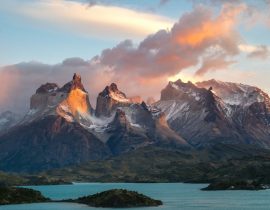
Argentina Itinerary: 10 Days, 2 Weeks and 3 Weeks
A good Argentina itinerary for a first trip combines three regions: Buenos Aires, Iguazú Falls and the glaciers and mountains of Patagonia. With 10 days you can see all three at a comfortable pace; with two weeks you can add hiking around El Chaltén; and with three weeks you can add the north-west, Mendoza wine country or the Lake District around Bariloche.
Below we set out three routes, for 10 days, 15 days and 21 days, each built on trips we already run. They are starting points rather than fixed plans. For background on the country itself, see our Argentina guide.
How to plan an Argentina itinerary
Argentina is the eighth-largest country in the world, and its highlights sit far apart. Iguazú is in the subtropical north-east, El Calafate is in southern Patagonia, and Salta is in the Andean north-west. Driving between them would take days, so most itineraries fly between regions, usually through Buenos Aires.
- Fly between regions. Domestic flights connect Buenos Aires with Iguazú, El Calafate, Bariloche, Salta and Mendoza. Direct routes between regions exist on some days and in some seasons, but many connections go through the capital.
- Allow three to four nights per region. A flight day rarely leaves time for much else. Two full days in each place, plus the travel days, is a sensible minimum.
- Start and end in Buenos Aires. Most international flights arrive at the capital, and a night or two at either end gives you a buffer for delays.
- Choose fewer regions in a short trip. Three regions fit well in 10 days. Squeezing in a fourth usually means more time at airports than on trails.
Which season suits which route
Argentina covers several climates, so the season shapes the itinerary. Southern Patagonia is best from roughly October to April, with the long, mild days of November to March the busiest. Perito Moreno Glacier can be visited all year, but in winter many services around El Chaltén close or slow down. The north-west, around Salta and Jujuy, works for most of the year and is driest from about April to November; summer rains can affect mountain roads. Buenos Aires and Iguazú can be visited all year, though both are hot and humid in the southern summer.
In practice, spring (about September to November) and autumn (about March to May) suit a route that mixes the north and the south. Our month-by-month guide to Argentina and best time to visit Patagonia go into more detail.
Argentina in 10 days: Buenos Aires, Iguazú and Perito Moreno
This is the classic first route and matches our Argentina Essentials (10 days) trip day by day. It gives you a city, a waterfall and a glacier, with three nights in each main region.
| Day | Plan | Night |
|---|---|---|
| 1 | Arrive in Buenos Aires | Buenos Aires |
| 2 | City tour: San Telmo, La Boca, Recoleta and Palermo | Buenos Aires |
| 3 | Free day: museums, cafés or a tango show | Buenos Aires |
| 4 | Fly to Iguazú | Puerto Iguazú |
| 5 | Iguazú Falls: the Argentine side and the Devil’s Throat | Puerto Iguazú |
| 6 | Fly to El Calafate | El Calafate |
| 7 | Perito Moreno Glacier: walkways and an optional boat trip | El Calafate |
| 8 | Lago Argentino by boat, or a day at an estancia | El Calafate |
| 9 | Fly back to Buenos Aires | Buenos Aires |
| 10 | Departure | — |
If you would like to see the Brazilian side of the falls as well, add one night in Iguazú. The Brazilian side gives the wide, panoramic view, while the Argentine side takes you close to the water. Our Perito Moreno and El Calafate guide explains the options at the glacier.
Travelling with children? Our Argentina for Families trip (12 days) follows the same three regions with two extra days: a day on a pampas estancia near Buenos Aires and a slower pace in Iguazú and El Calafate.
Argentina in 2 weeks: adding El Chaltén
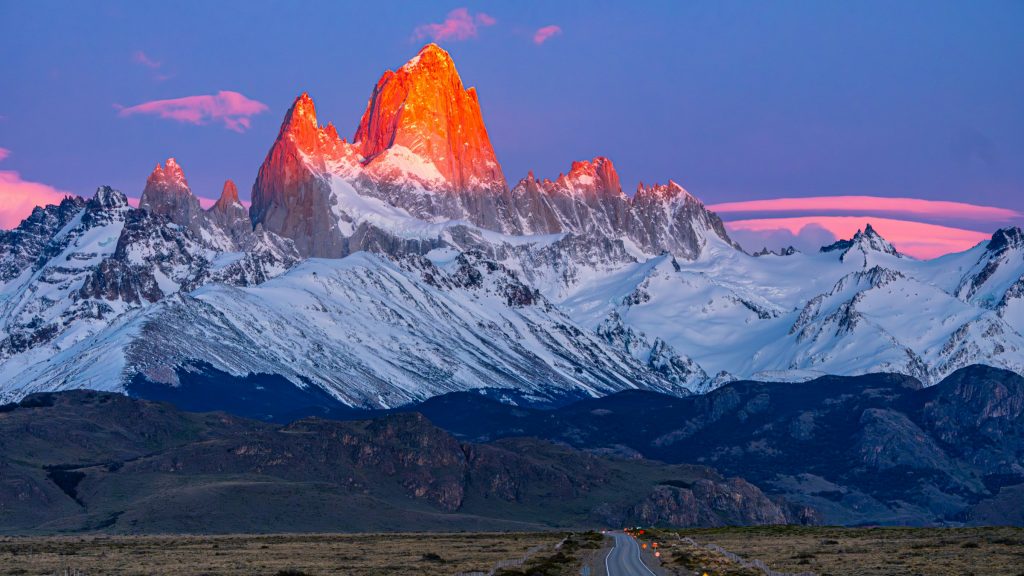
With 15 days, the most rewarding addition is El Chaltén, the small mountain village beneath Mount Fitz Roy, about three hours’ drive from El Calafate. This route combines the 10-day route above with the El Chaltén days from our Patagonia on Both Sides (12 days) trip, which runs from El Calafate to El Chaltén and then over the border to Torres del Paine in Chile.
| Day | Plan | Night |
|---|---|---|
| 1–3 | Buenos Aires: arrival, city tour and a free day | Buenos Aires |
| 4 | Fly to Iguazú | Puerto Iguazú |
| 5 | Iguazú Falls: the Argentine side | Puerto Iguazú |
| 6 | Optional Brazilian side, then fly to El Calafate | El Calafate |
| 7 | Perito Moreno Glacier | El Calafate |
| 8 | Drive to El Chaltén | El Chaltén |
| 9 | Hike towards Fitz Roy | El Chaltén |
| 10 | Hike to Laguna Torre, or a gentler walk | El Chaltén |
| 11 | Return to El Calafate | El Calafate |
| 12 | Lago Argentino by boat, or an estancia | El Calafate |
| 13 | Fly to Buenos Aires | Buenos Aires |
| 14 | A last day in the city or the Tigre Delta | Buenos Aires |
| 15 | Departure | — |
The hikes from El Chaltén start in the village itself, and you can choose shorter viewpoints instead of the full routes. Patagonian weather changes quickly, so we keep the El Chaltén days flexible and move the longer hike to the clearest day.
Other ways to spend two weeks
- Chilean Patagonia: instead of returning to El Calafate on day 11, cross into Chile for Torres del Paine, as in Patagonia on Both Sides (12 days). Our guide to combining Argentine and Chilean Patagonia explains how the border crossing works.
- The Lake District: swap El Chaltén for four nights around Bariloche, with lakes, forests and the Seven Lakes route. This suits travellers who prefer gentle walks and scenic drives to long hikes.
Argentina in 3 weeks: adding the north-west
Three weeks lets you see the full range of the country, from subtropical forest to Andean desert and ice. This route adds Salta and Jujuy, following the Argentine part of our Northern Argentina and the Atacama Desert (11 days) trip, which continues across the Andes to San Pedro de Atacama in Chile.
| Day | Plan | Night |
|---|---|---|
| 1–3 | Buenos Aires: arrival, city tour and a free day | Buenos Aires |
| 4–5 | Fly to Iguazú; the falls | Puerto Iguazú |
| 6 | Fly to Salta, often via Buenos Aires | Salta |
| 7 | Through the Quebrada de las Conchas to Cafayate | Cafayate |
| 8 | Cafayate vineyards and Torrontés tasting | Cafayate |
| 9 | Return to Salta through the valleys | Salta |
| 10 | Into the Quebrada de Humahuaca | Purmamarca |
| 11 | Tilcara, Uquía and Humahuaca villages | Purmamarca |
| 12 | Fly to El Calafate, usually a long travel day | El Calafate |
| 13 | Perito Moreno Glacier | El Calafate |
| 14 | Drive to El Chaltén | El Chaltén |
| 15–16 | Hikes towards Fitz Roy and Laguna Torre | El Chaltén |
| 17 | Return to El Calafate | El Calafate |
| 18 | Lago Argentino or an estancia | El Calafate |
| 19 | Fly to Buenos Aires | Buenos Aires |
| 20 | Free day in Buenos Aires | Buenos Aires |
| 21 | Departure | — |
The north-west sits high in the Andes in places, with Purmamarca at about 2,300 metres and some passes far higher, so the route climbs gradually from Salta. Spring and autumn suit this itinerary best, when both the north and Patagonia are usually in season.
Add-ons: Mendoza, the Lakes and the coast
If the north-west does not appeal, or you have more time, these regions slot into any of the routes above. Each needs a flight, so plan at least three to four nights.
- Mendoza wine country: Malbec vineyards in Luján de Cuyo and the Uco Valley, with the Andes behind them and a day trip towards Aconcagua. Our Mendoza Wine and the Andes (5 days) trip works on its own or as an extension.
- The Lake District: Bariloche, Lake Nahuel Huapi and the Seven Lakes route to San Martín de los Andes. Our Lakes and Volcanoes (9 days) trip ends with the Andean lake crossing to Puerto Varas in Chile.
- Wildlife and the far south: whales and elephant seals at Península Valdés, penguins at Punta Tombo and the Beagle Channel from Ushuaia. Whale-watching is seasonal, roughly from winter into spring.
Comparing the routes
| Length | Regions | Pace | Best months |
|---|---|---|---|
| 10 days | Buenos Aires, Iguazú, El Calafate | Comfortable, three nights per region | About October to April |
| 15 days | The above plus El Chaltén | Active, with optional hikes | About November to March |
| 21 days | The above plus Salta and Jujuy | Varied, with one long travel day | About September to November or March to May |
| Add-on | Mendoza, Bariloche or Península Valdés | Three to five nights each | Depends on the region |
How a private trip helps
Because Argentina is so spread out, most of the work in an itinerary is logistics: flight connections, airport transfers and timing the long days. On a private trip we book the domestic flights, transfers and park visits for you, confirm current arrangements when we book, and set the pace around your interests. Local guides meet you in each region, and we can build in a spare day in Patagonia so the weather does not decide your trip.
Frequently asked questions
Ten days is enough for Buenos Aires, Iguazú Falls and Perito Moreno Glacier, as on our Argentina Essentials (10 days) trip. Two weeks lets you add El Chaltén, and three weeks lets you add the north-west or Mendoza. Allow three to four nights per region, because flights take up most of a travel day.
Yes. Two weeks is enough for Buenos Aires, Iguazú and southern Patagonia, including a few days of hiking around El Chaltén. You will not see everything, but you will see three very different regions without rushing.
Most first-time visitors combine Buenos Aires, Iguazú Falls and El Calafate for Perito Moreno Glacier. Starting and ending in Buenos Aires makes the flight connections simpler. If you prefer lakes and gentle walks, Bariloche is a good alternative to the far south.
Fly. The distances between Iguazú, Patagonia and the north-west are very large, and road journeys between them can take more than a day. Within a region, such as between El Calafate and El Chaltén or around Salta and Jujuy, travelling by road is the best way to see the landscape.
Yes, and it works well. In Patagonia you can cross from El Calafate to Torres del Paine, as on Patagonia on Both Sides (12 days), and in the north you can cross from Jujuy to San Pedro de Atacama. Our guide to combining Argentine and Chilean Patagonia explains the options.
Yes. Iguazú’s walkways, the glacier and a day on an estancia are all easy for children. Our Argentina for Families trip (12 days) follows the classic route at a slower pace, and our guide to South America with children has more ideas.