




Argentina: tango, wine, glaciers and great open spaces
From the tango halls of Buenos Aires to the vineyards of Mendoza, the waterfalls of Iguazú and the glaciers of Patagonia, Argentina rewards travellers who take time to cover its vast distances.
A trip to Argentina can take you from tango halls and late-night cafés to roaring waterfalls, red-rock canyons, high vineyards and the glaciers of the far south. Argentina tours cover a lot of ground because the country is huge: it is the second-largest country in South America, stretching around 3,700 kilometres from the subtropical north to Tierra del Fuego. The art of planning is choosing a few regions, linking them with short domestic flights and leaving enough time to enjoy long lunches, a glass of Malbec and the unhurried rhythm of Argentine life.
Where to go in Argentina
Buenos Aires
Most journeys begin in Buenos Aires, a capital of wide avenues, leafy squares and distinct neighbourhoods. San Telmo has cobbled streets and a Sunday antiques market, La Boca is known for its painted houses, and Recoleta and Palermo mix elegant architecture with parks, bookshops and restaurants. Tango, listed by UNESCO as intangible cultural heritage, is everywhere, from polished dinner shows to relaxed neighbourhood milongas. Plan at least two or three nights here, and consider a day trip by ferry across the River Plate to the old town of Colonia del Sacramento in Uruguay, or a day at an estancia in the pampas to see gaucho traditions.
Iguazú Falls
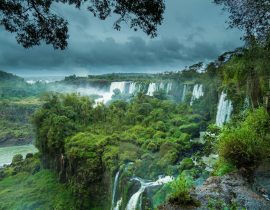
In the far north-east, on the border with Brazil, the Iguazú River plunges over a horseshoe of around 275 separate cascades set in protected rainforest. Iguazú National Park is a UNESCO World Heritage site, and the Argentine side has walkways that take you above and beside the falls, including the platform overlooking the Devil’s Throat. Two nights is ideal: one full day on the Argentine side, with time for a boat ride towards the spray, and a few hours on the Brazilian side for the wide panoramic view. Our Iguazú Falls guide covers both sides in detail.
Mendoza and the wine country
Mendoza sits at the foot of the Andes about 1,000 kilometres west of Buenos Aires. Irrigation channels turn this dry land into Argentina’s main wine region, best known for Malbec. Luján de Cuyo, close to the city, has many traditional wineries, while the Uco Valley, about an hour and a half south, has vineyards at around 1,000 to 1,500 metres with snow-capped peaks behind. Mendoza wine tours combine tastings with long lunches, cycling between vineyards or a drive up into the mountains towards Aconcagua, at almost 7,000 metres the highest peak in the Americas.
Salta, Jujuy and the north-west
The north-west feels like another country. Around Salta and Jujuy, colonial churches and adobe villages sit beneath mountains striped in red, green and ochre. The Quebrada de Humahuaca, a UNESCO-listed valley, has been a route for people and trade for thousands of years, and villages such as Purmamarca and Tilcara keep strong Andean traditions. South of Salta, the road through the Quebrada de las Conchas leads to Cafayate, where high-altitude vineyards produce crisp Torrontés white wine. Some excursions climb high, for example to the Salinas Grandes salt flats at around 3,400 metres, so it pays to read our advice on altitude in the Andes.
Patagonia in brief
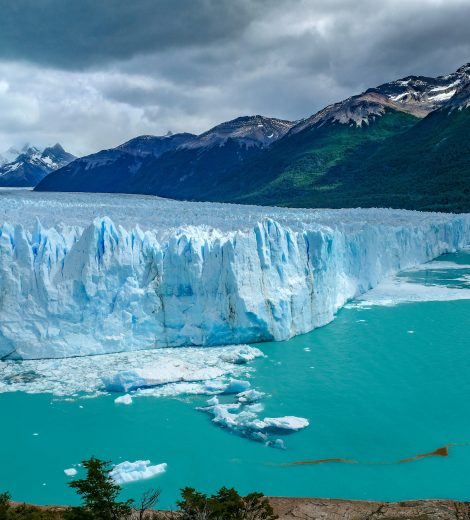
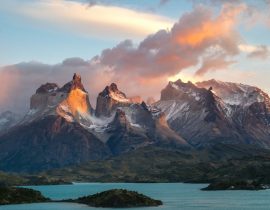
Patagonia fills the southern third of Argentina and deserves a trip of its own. The main highlights are the Perito Moreno Glacier near El Calafate, the hiking trails beneath Fitz Roy in El Chaltén, the lakes and forests around Bariloche, the Beagle Channel at Ushuaia and the marine wildlife of Península Valdés. Most travellers choose two or three of these, and many cross into Chile for Torres del Paine. Our Patagonia guide explains each area, the best months and how many days to allow.
Best time to visit Argentina
Because Argentina spans so many latitudes, the best time to visit Argentina depends on where you are going, and the seasons are the reverse of Europe and North America. Spring and autumn are the most versatile months, when Buenos Aires, Mendoza and Iguazú are all pleasant and you can still add the north-west or Patagonia. If Patagonia is your priority, travel between November and March; if the north-west matters most, the drier months from April to November are more comfortable.
| Months | What to expect | Best for |
|---|---|---|
| September to November | Spring: mild in Buenos Aires and Mendoza, Patagonia season begins in November, dry in the north-west | Combining cities, wine country, Iguazú and the north-west |
| December to February | Summer: hot and humid in Buenos Aires and Iguazú, long days and peak season in Patagonia, summer rains in the north-west | Patagonia, hiking and the Lake District |
| March to May | Autumn: grape harvest in Mendoza, autumn colours in Patagonia, settled weather in the north | Wine regions, the north-west and a quieter Patagonia |
| June to August | Winter: cool in Buenos Aires, dry and sunny days in the north-west, snow in the Andes | Salta and Jujuy, Iguazú, skiing near Bariloche |
For a detailed month-by-month guide, read Melhor época para ir à Argentina: clima mês a mês.
For a wider view across the continent, see our guide to the best time to visit South America.
How many days do you need? Sample Argentina itineraries
Allow around 10 days for a first look and two weeks or more if you want to include Patagonia and one other region at a comfortable pace. Each region you add usually means a flight, so it is better to do three areas well than five in a rush. These route ideas are starting points that we adapt to your interests.
- 10 days, the classic first trip: Buenos Aires, Iguazú Falls and the Perito Moreno Glacier, as in our 10-day Argentina Essentials trip. It gives a taste of the city, the rainforest and the ice.
- 12 days with children: the same three highlights at a gentler pace, with a night at an estancia in the pampas. Our 12-day Argentina for Families trip builds in shorter travel days.
- About 2 weeks, wine and mountains: start in Buenos Aires, then spend several days in Mendoza on our 5-day Mendoza Wine and the Andes programme before heading north to Salta, Jujuy and Cafayate. To continue into Chile instead, our 11-day Northern Argentina and the Atacama Desert route crosses the Andes to San Pedro de Atacama.
- 3 weeks or more, the big picture: combine Argentina with its neighbours, for example on our 20-day Andes and Patagonia trip through Peru, Chile and Argentina.
Getting around Argentina
Distances are the key fact of any trip to Argentina. Buenos Aires to Iguazú is roughly a two-hour flight, to Mendoza or Salta about two hours, and to El Calafate or Ushuaia around three to three and a half hours. Domestic flights are the practical way to link regions, and most routes pass through Buenos Aires, so a well-sequenced itinerary saves a lot of time. Within a region, roads are generally good and a private driver lets you stop at viewpoints, wineries and villages along the way. Some of the most rewarding journeys are by road: the drive from Salta through the Quebrada de Humahuaca, the Seven Lakes Route near Bariloche, or the crossing of the Andes between Mendoza and Santiago, which can close in winter snow. In the north-west, some roads climb above 4,000 metres, so build in time to acclimatise.
Travelling safely in Argentina
Most visits to Argentina pass without problems, and a few sensible habits go a long way. In Buenos Aires and other cities, petty theft such as pickpocketing and bag snatching is the main concern, especially in crowded areas, on public transport and at busy tourist sights. Keep your phone and valuables out of sight on the street, carry only the cash you need, and use licensed taxis, ride-hailing apps or pre-arranged private transfers, particularly at night and from airports. Avoid changing money with people on the street. In national parks, follow your guide’s advice on trails and weather. Before you travel, check your government’s official travel advice for current information.
Why plan a private trip with a local specialist
Argentina rewards good sequencing. Working with a team based in Argentina means flights, transfers and hotels fit together, connections allow for weather in Patagonia, and you are not left queuing for buses after a long day. Private guides show you their own cities and landscapes, at your pace, and drivers wait while you linger at a viewpoint or winery. Plans can change on the ground, and someone local is on hand if they do. Whether you want a classic Argentina holiday or a slow journey through the wine country, we shape the route around you.
Highlights
- Tango, cafés and historic neighbourhoods in Buenos Aires
- Walkways above the cascades and the Devil’s Throat at Iguazú Falls
- Malbec tastings with Andean views in Luján de Cuyo and the Uco Valley
- Coloured mountains and adobe villages in the Quebrada de Humahuaca
- Torrontés wines and red-rock canyons around Cafayate
- Perito Moreno Glacier in Los Glaciares National Park
- Trekking beneath Fitz Roy from the village of El Chaltén
- Lakes, forests and the Beagle Channel in Patagonia
When to go & practical information
Best time to visit: Spring (September–November) and autumn (March–May) suit Buenos Aires, Mendoza and Iguazú. Patagonia is best visited from roughly November to March, when days are long and most services operate. The north-west is generally most pleasant in the drier months from April to November.
Climate: Argentina spans subtropical, temperate, arid and sub-polar climates, and seasons are the reverse of Europe and North America. Buenos Aires has hot, humid summers and mild winters, while Patagonia is cool and often very windy even in summer. In the north-west and near Mendoza, altitude brings strong sun, cool nights and the possibility of mild altitude effects on high passes.
- Currency: Argentine peso (ARS). Exchange arrangements and the best way to pay have changed often in recent years, so check current guidance on cash and cards shortly before you travel.
- Languages: Spanish, with a distinctive Rioplatense accent in Buenos Aires; English is spoken in many hotels and tourism businesses.
- Time zone(s): Argentina Time (UTC−3) nationwide.
- Getting around: Domestic flights are the practical way to link regions; long-distance coaches and private transfers work well within a region.
- Good to know: Dinner starts late, distances are large, and entry requirements should be checked with official government sources before booking.
Destinations in Argentina

Ushuaia and Tierra del Fuego
Argentina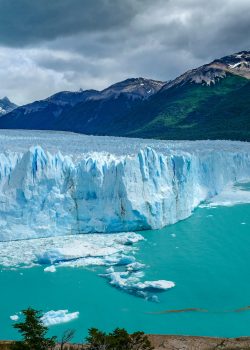
Perito Moreno Glacier and El Calafate
Argentina
Bariloche and the Seven Lakes
Argentina
Patagonia
6 journeys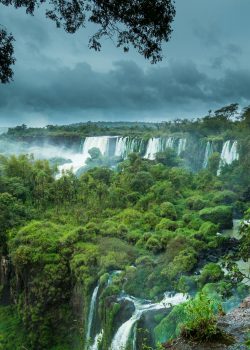
Iguazú Falls
5 journeysMendoza
2 journeysSalta & Jujuy
1 journeyBuenos Aires
8 journeys8 journeys in Argentina




Plan your trip to Argentina
Tell us when you would like to go and what draws you to Argentina. We will suggest a route that fits.
Plan My TripFAQs about Argentina
Have more questions? Contact us.
Spring (September to November) and autumn (March to May) suit most combinations, with pleasant weather in Buenos Aires, Mendoza and Iguazú. Patagonia is best from about November to March, while the north-west is most comfortable in the drier months from April to November. Seasons are the reverse of Europe and North America.
Around 10 days covers Buenos Aires, Iguazú and the Perito Moreno Glacier, as on our Argentina Essentials trip. Two weeks lets you add Mendoza or the north-west, and three weeks gives time for more of Patagonia or a neighbouring country. Each extra region usually means a domestic flight.
Most visits pass without problems, and the main risk in cities is petty theft such as pickpocketing. Keep valuables out of sight, use licensed taxis, apps or private transfers, and avoid changing money on the street. Check your government’s official travel advice before you go.
Yes. Patagonia is often explored on both sides of the border, Mendoza is a common link to Santiago across the Andes, and Iguazú Falls can be seen from both the Argentine and Brazilian sides. Check the entry requirements for each country with official sources before you book.
Only in some areas. Buenos Aires, Iguazú and most of Patagonia are low, but excursions in Salta and Jujuy can climb above 3,000 or even 4,000 metres, and the road from Mendoza to the Andes also gains height. Building in gentle first days helps; see our guide to altitude in the Andes.
Many families enjoy Argentina, especially the walkways at Iguazú, estancia stays in the pampas and the glaciers of Patagonia. Long flights and late meal times are worth planning for with younger children. Our Argentina for Families trip builds in shorter travel days and free time.


