Luxury South America Tours: What a Refined Private Trip Looks Like

Luxury South America tours are less about gold taps and more about time, space and people who know their ground. On a private trip, luxury South America travel means a guide who is yours alone, a driver waiting when you land, rooms chosen for their setting, and a pace that leaves room to enjoy the places you came for.
The continent suits this kind of travel well. Distances are long, altitudes are high and many highlights sit far from big cities, so the quality of the planning shapes the whole experience. Below, we look at what a refined trip looks like region by region, from Patagonia and the wine valleys to Machu Picchu and the Galápagos Islands.
What luxury really means in South America
Five-star hotels exist in the capitals, but the most memorable comforts here are often quieter ones. When we plan a high-end trip, we think about five things.
- Time: fewer early starts, no rushed connections and enough nights in each place to settle in.
- Space: small lodges and boutique hotels with views, rather than large resorts; private vehicles rather than shared buses.
- Expert guides: local guides who adapt each day to your interests and energy, and who know when to talk and when to let the landscape speak.
- Places to stay with character: converted estancias, vineyard lodges, colonial houses and remote lodges, chosen for location as much as comfort.
- Seamless logistics: private transfers throughout, flights timed sensibly, and tickets, permits and reservations arranged before you arrive.
None of this needs to be flashy. A good trip simply removes friction, so your attention goes to the glacier, the ruins or the wine in your glass.
Luxury by region at a glance
| Region | What luxury looks like there | Trip to start from |
|---|---|---|
| Patagonia | Lodges with guided excursions, nights inside or near the national parks, private transfers across the border | Patagonia on Both Sides (12 days) |
| Chile and Argentina wine country | Vineyard stays, private tastings, long lunches, a scenic Andes crossing | Food and Wine of Chile and Argentina (10 days) |
| Central Chile and the Lakes | Colchagua wine stays, then lake and volcano views around Puerto Varas | Chile Wine and Lakes (9 days) |
| Peru: Cusco and Machu Picchu | Boutique hotels in the Sacred Valley and Cusco, premium train classes, private guides at the site | Honeymoon in Peru and the Galápagos (14 days) |
| Galápagos | A small yacht with a naturalist guide, or comfortable island hotels | Galápagos by Small Expedition Yacht with Quito (9 days) |
| Atacama Desert | Desert lodges with their own guides and stargazing | Atacama Desert Short Break (4 days) |
| Easter Island | Unhurried days among the moai with a private guide | Easter Island Short Break (4 days) |
Luxury Patagonia tours
Luxury Patagonia tours usually centre on a particular style of lodge: a remote property in or near a national park, where guided excursions are part of the stay. Each morning you choose between a hike, a boat trip or a ride, and a guide takes care of the rest. You come back to a warm room, a good dinner and the same view of granite peaks or a turquoise lake.
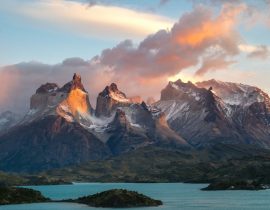
Our Patagonia on Both Sides trip (12 days) follows the classic route from El Calafate and the Perito Moreno Glacier to El Chaltén, then across the border to Puerto Natales and two nights in Torres del Paine itself. Staying inside the park, rather than driving in each day, is one of the simplest upgrades you can make. It gives you early light on the Towers and quiet evenings after day visitors have left.
Patagonia is a summer destination for most travellers, from about November to March, and the best lodges fill early. Our guide to the best time to visit Patagonia and our article on combining the Argentine and Chilean sides help with timing and routing.
Estancias and wine country
Argentina: estancias and Mendoza
An estancia stay is one of Argentina’s great pleasures. These working or former cattle ranches offer space, horses, open skies and long asados, and many have been restored as small, characterful places to stay. They work well near Buenos Aires, in Patagonia or as a pause in the middle of a longer route.
In Mendoza, the comfort comes from the setting: vineyard lodges with the Andes behind the vines, private tastings and lunches that take the whole afternoon. The Uco Valley, higher and quieter than Luján de Cuyo, is especially good for this.
Chile: Colchagua and beyond
Chile’s Colchagua Valley offers a similar rhythm, with wineries, country hotels and a slower pace a few hours south of Santiago. Our Food and Wine of Chile and Argentina trip (10 days) brings both countries together, with nights in Colchagua, a crossing of the Andes to Mendoza and two nights in the Uco Valley. For a Chile-only route, Chile Wine and Lakes (9 days) pairs Colchagua with the lakes and volcanoes around Puerto Varas.
Peru: Cusco, the Sacred Valley and Machu Picchu
In Peru, a refined trip starts with altitude. Rather than staying in Cusco on arrival, we usually go straight down to the Sacred Valley, which is lower and calmer, with boutique hotels set among gardens and terraces. Cusco comes later, once you have adjusted, in a small hotel within walking distance of the main squares.
Several classes of train run to Aguas Calientes, the town below Machu Picchu, and the premium services add panoramic windows, more space and dining on board. At the site, a private guide sets the pace, explains what you are seeing and helps you find quieter corners. Entry times and circuits are regulated, so we confirm current arrangements and book tickets well in advance.
Our Honeymoon in Peru and the Galápagos trip (14 days) shows the approach: two nights in the Sacred Valley, a night in Aguas Calientes, three in Cusco including a free day, then on to the Galápagos.
The Galápagos: small yachts and island stays
For many travellers, the most rewarding way to see the Galápagos is on a small yacht. You sleep on board, move between islands at night and wake to a new landing each morning, always with a naturalist guide. Our Galápagos by Small Expedition Yacht with Quito trip (9 days) combines a cruise of this kind with two nights in Quito.
Island hopping, staying in hotels on Santa Cruz and Isabela, suits travellers who prefer land beds and a little more freedom. Our article on choosing between a cruise and island hopping sets out the trade-offs.
The Atacama Desert and Easter Island
The Atacama is a natural fit for a high-end trip. Several lodges around San Pedro de Atacama include guided excursions, and some have their own observatories, so stargazing becomes part of the evening rather than a late-night outing. The Atacama Desert Short Break (4 days) covers the Moon Valley at sunset, the altiplanic lagoons and the El Tatio geysers at dawn.
Easter Island adds a different kind of remoteness. With a private guide, you can time your visits to the moai sites around the light and the crowds. Our Easter Island Short Break (4 days) visits Rano Raraku, Ahu Tongariki, Anakena and the Orongo ceremonial village, and both short breaks combine easily with Santiago or a Chilean wine stay.
Pacing, privacy and quieter moments
The single biggest difference between a standard tour and a luxury one is often pace. We suggest a few principles:
- Allow at least two or three nights in each place, and more in remote lodges.
- Build in free days, especially after long flights or high-altitude sightseeing.
- Avoid red-eye connections where a daytime flight exists.
- Visit popular sites early or late in the day when it is usually quieter. We plan for this, though crowds can never be ruled out.
- Keep a private vehicle on hand, so plans can change with the weather or your mood.
South America is big, so it is better to choose two or three regions and do them well than to try to see everything. Our three-week South America routes show how regions fit together.
How a private trip handles this
On a private trip, we shape the route around you: the pace, the type of places to stay, the balance of guided days and free time. Your guides and drivers work only for your group, transfers are arranged throughout, and train tickets, park entries and Galápagos arrangements are booked for you, with current conditions confirmed at the time of booking.
Frequently asked questions
It is a trip built around comfort, time and expert guiding rather than a fixed group itinerary. Typically that means private guides and transfers, characterful places to stay such as lodges, estancias and boutique hotels, and a relaxed pace with enough nights in each place.
Patagonia, the Peruvian Andes and Machu Picchu, the Galápagos, the Atacama Desert and the wine valleys of Chile and Argentina all suit a high-end trip. Many travellers combine two or three of them, for example Peru and the Galápagos, as on our Honeymoon in Peru and the Galápagos (14 days).
They usually involve remote lodges where guided hikes, boat trips or rides are part of the stay, plus private transfers between El Calafate, El Chaltén and Torres del Paine. Staying inside or close to the national parks saves long daily drives. See our Patagonia guide for the main areas.
For many people it is, because you travel between islands overnight and visit sites with a naturalist guide each day. Island hopping with hotel stays suits those who prefer land beds or are prone to seasickness. Our cruise or island hopping guide compares the two.
Around two weeks is a good length for two regions at a relaxed pace, and three weeks allows three. Short breaks of about four days, such as the Atacama or Easter Island, combine well with a longer route. Fewer places and more nights is usually the better choice.
It depends on the region. Patagonia is best from about November to March, while the Peruvian Andes are driest from about May to September. The Galápagos and the wine regions can be visited all year, so a well-planned route can follow the seasons.