Ecuador: volcanoes, cloud forest and the Galápagos
Andean volcanoes, colonial cities, Amazon rainforest and the Galápagos Islands, all within one compact country that is well suited to a varied private itinerary.
Ecuador takes its name from the equator, which crosses the country just north of Quito. Although it is one of the smaller nations in South America, it spans four distinct worlds: the Andean highlands, the Amazon rainforest to the east, the Pacific coast and the Galápagos Islands far offshore. Relatively short travel distances on the mainland make it possible to experience several of these on a single trip.
Highlands and colonial cities
Quito, at around 2,850 metres, has one of the best-preserved historic centres in Latin America and was among the first places inscribed on the UNESCO World Heritage List. Its churches, monasteries and plazas reward slow exploration. To the south, the city of Cuenca, also UNESCO-listed, is known for its cobbled streets, red-tiled roofs and a tradition of weaving toquilla straw hats, the hats widely known abroad as “Panama hats”. Between the two runs a corridor of snow-capped peaks often called the Avenue of the Volcanoes, including Cotopaxi and Chimborazo, whose summit is the point on Earth’s surface farthest from its centre because of the planet’s equatorial bulge.
Markets, haciendas and cloud forest
North of Quito, the town of Otavalo is famous for its Indigenous textile market, and historic haciendas in the surrounding countryside offer characterful places to stay. West of the capital, the cloud forests around Mindo are a favourite with birdwatchers, with hummingbirds, tanagers and orchids in abundance. Hot springs at Papallacta and the waterfalls around Baños add further variety.
Amazon and Galápagos
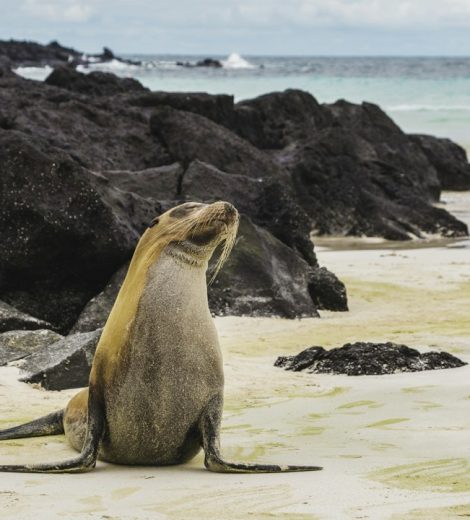
Ecuador’s Amazon region is reached by a short flight or a scenic drive from Quito, with lodges along rivers such as the Napo offering guided canoe trips and forest walks. Offshore, the Galápagos Islands are a UNESCO World Heritage Site and a national park famous for wildlife that shows little fear of people, from giant tortoises to marine iguanas and blue-footed boobies. Visits are regulated, so planning ahead is important.
A tailor-made itinerary can link the highlands, rainforest and islands in a logical order, allowing time to adjust to altitude before more active days. A specialist can help you decide how much time to give each region based on your interests.
Highlights
- Explore Quito’s UNESCO-listed historic centre and its colonial churches
- Drive the Avenue of the Volcanoes past Cotopaxi and Chimborazo
- Browse the Indigenous textile market in Otavalo
- Spot hummingbirds in the cloud forest around Mindo
- Stroll the cobbled streets and riverside of colonial Cuenca
- Stay at a rainforest lodge in Ecuador’s Amazon region
- See giant tortoises and sea lions in the Galápagos Islands
When to go & practical information
Best time to visit: Ecuador is a year-round destination. The highlands are generally drier from June to September, the coast is warmer and sunnier from December to May, and the Amazon is humid with rain at any time. The Galápagos have a warm season (roughly December to May) and a cooler, drier season (roughly June to November), each with its own wildlife highlights.
Climate: Temperatures depend mainly on altitude: Quito has mild days and cool nights all year, while the coast and Amazon are hot and humid. Weather in the Andes can change quickly within a day. Quito and much of the highland route lie above 2,500 metres; ease in gently and consult your doctor or a travel clinic about altitude before travelling.
- Currency: Ecuador uses the US dollar (USD). Smaller notes are easier to use day to day.
- Languages: Spanish is the main language; Kichwa and other Indigenous languages are also spoken. English is common in tourism services but not universal.
- Time zone(s): Mainland Ecuador is on UTC−5; the Galápagos Islands are on UTC−6.
- Getting around: Private drivers work well in the highlands; domestic flights connect Quito and Guayaquil with the Amazon gateways, Cuenca and the Galápagos.
- Good to know: Entry rules and Galápagos visitor requirements can change; check official sources and your government’s travel advice before booking.
Destinations in Ecuador

Galápagos Islands
5 journeys6 journeys in Ecuador



Plan your trip to Ecuador
Tell us when you would like to go and what draws you to Ecuador. We will suggest a route that fits.
Plan My TripFAQs about Ecuador
Have more questions? Contact us.
A week on the mainland covers Quito and a selection of the highlands or cloud forest. Adding the Galápagos typically calls for several more days, depending on whether you choose a cruise or a land-based stay. Ten to fourteen days in total is a comfortable starting point.
A cruise lets you reach more remote islands and wake up at a new landing site each day. A land-based stay on inhabited islands such as Santa Cruz or Isabela suits travellers who prefer a stable base, families with younger children or those prone to seasickness. A specialist can explain the trade-offs for your dates.
Quito sits at around 2,850 metres, and some visitors feel short of breath or tired on arrival. Plan an easy first day, drink plenty of water and avoid strenuous activity until you feel comfortable. Consult your doctor or a travel clinic before travelling for personal advice.
Yes. The Mitad del Mundo area just north of Quito marks the equator with a monument, and nearby museums explain its geography and history. It is an easy half-day trip from the city.


